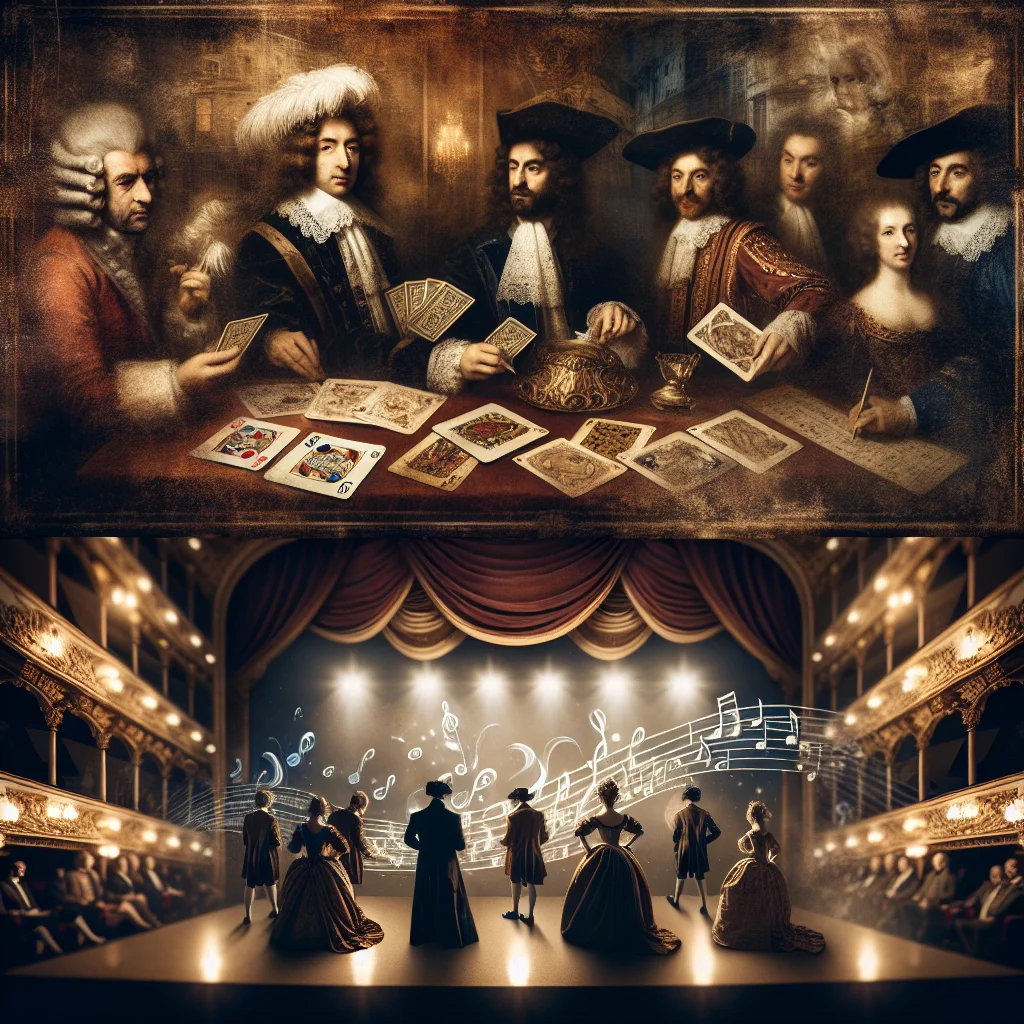
The Ace in the Artist’s Sleeve: A Cultural History of Chance
From the dimly lit taverns of the Dutch Golden Age to the soaring arias of grand opera and the tense dialogue of modern drama, gambling has long been a potent muse for creative minds. It is more than a mere pastime depicted; it is a profound metaphor for life’s inherent uncertainties, a vehicle for exploring fate, morality, greed, and redemption. The world of art, music, and theatre has consistently turned to the gaming table, the racetrack, and the casino floor to find stories that resonate with the human condition. This deep-seated fascination reveals how games of chance hold up a mirror to society, reflecting its virtues, vices, and the eternal dance between luck and skill.
The Painted Bet: Moral Allegories and Social Commentary
In the visual arts, gambling scenes are a rich genre dating back centuries. The 17th century, particularly in Northern Europe, saw a flourishing of such works. Painters like Caravaggio in Italy and the Dutch Masters used card games and dice rolls not just as genre scenes but as complex moral narratives. Caravaggio’s “The Cardsharps” is a masterclass in tension and deception, capturing the moment a young, innocent dupe is being cheated by experienced con artists. The painting is a stark warning about the perils of the world, using the gamble as a metaphor for vulnerability and corruption.
Dutch Golden Age painters, such as Jan Steen and David Teniers the Younger, often depicted chaotic, merry companies engaged in backgammon or card games. These scenes, while seemingly jovial, frequently carried undertones of moral satire. They commented on idleness, the fleeting nature of worldly pleasures, and the sin of greed. The meticulous detail in the clothing, expressions, and scattered coins served as a microcosm of society. Later, in the 19th century, artists like Paul Cézanne revisited the theme with his series of card players, transforming the subject into a study of quiet concentration and geometric form, stripping it of overt moralism and focusing on the solemn ritual of the game itself.
Opera’s High-Stakes Drama: Fortune’s Fickle aria
The opera house has proven to be a perfect stage for gambling’s dramatic potential, where a single turn of a card or roll of the dice can pivot a plot and define a character’s destiny. Giacomo Puccini’s “La Bohème” features a pivotal scene where the friends gamble away their last coins in a Parisian café, a moment of carefree youth that contrasts sharply with the tragedy to come. Ruggero Leoncavallo’s “Pagliacci” uses a card game within the commedia dell’arte performance to mirror the real-life betrayal and jealousy consuming the characters, blurring the line between staged and genuine emotion.
Perhaps the most famous gambling opera is “The Queen of Spades” by Pyotr Ilyich Tchaikovsky, based on a Pushkin story. The entire plot revolves around a secret of three winning cards, driving the protagonist, Hermann, to obsession, madness, and ultimately, his ruin. The gambling here is not just a game but a supernatural obsession, a pact with fate that explores psychological depth and destructive passion. The tense, atmospheric music perfectly captures the manic energy of the gamble and the haunting grip of chance.
Theatre’s Wager: Betting on Character and Fate
Playwrights have long used gambling as a structural device and a character crucible. In Anton Chekhov’s “The Seagull,” the constant game of lotto in the background is a brilliant symbol of the characters’ passivity and their hope for a random event to change their stagnant lives. The clinking of chips and calls of numbers underscore their existential bets on love and art. David Mamet’s “House of Games” and later “The Spanish Prisoner” delve into the intricate world of con artists, where every interaction is a calculated gamble, and trust is the ultimate currency to be won or lost.
Modern theatre continues this exploration. Plays like “The Gin Game” by D.L. Coburn use a simple card game between two retirees in a nursing home to unpack a lifetime of regrets, resentments, and vulnerabilities. The gin rummy table becomes a battlefield for their souls. Similarly, “Hurlyburly” by David Rabe portrays the cocaine-fueled, high-stakes world of Hollywood, where personal and professional relationships are gambled with reckless abandon, showing how the casino mentality can permeate everyday life.
Musical Notes of Risk: From Jazz to Rock and Roll
Beyond classical opera, popular music has endlessly romanticized and critiqued the gambler’s life. The archetype is cemented in American folk and blues, with songs like “St. James Infirmary Blues” and “Jack of Diamonds” telling tales of loss and hard luck. Kenny Rogers’ “The Gambler” became a cultural touchstone, offering worldly wisdom through the metaphor of knowing “when to hold ‘em and know when to fold ‘em.” The gambling table serves as a perfect analogy for life’s decisions.
Rock and roll embraced the imagery of risk and chance. The Rolling Stones’ “Tumbling Dice” uses gambling jargon to describe a fraught relationship, while Elvis Presley’s “Viva Las Vegas” is an unabashed celebration of the city built on chance. In jazz, the very nature of improvisation is a high-wire musical gamble, with musicians betting on their skill and creativity in the moment, creating something ephemeral and thrilling. The language of gambling—playing the odds, hitting the jackpot, going bust—is deeply woven into the lyrical fabric of countless songs across genres.
A Lasting Legacy: Why Art Continues to Place Its Bets
The enduring presence of gambling in art forms speaks to its power as a universal narrative engine. It provides a ready-made structure of tension, climax, and resolution. It forces characters to reveal their true selves under pressure, showcasing bravery, desperation, cunning, or folly. For the audience, it taps into a fundamental understanding of risk and the allure of a transformative win. Whether it’s the moral scrutiny of a Baroque painting, the tragic arc of an opera, the psychological duel in a play, or the gritty storytelling of a blues song, gambling remains a compelling lens through which artists examine the high-stakes game of being human. As long as chance and fortune fascinate us, the dice will keep rolling on the canvas, the stage, and in the lyric, reminding us that sometimes, the greatest art is born from a bet.